


If you’ve ever thought, “How do I actually land brand deals?” you’re not alone.
Creators everywhere struggle with the same questions: How do I get noticed by brands? How much should I charge? How do I make content that converts into sales?
The good news? Tara Knight hosted a “Shoot Your Shot” AMA series featuring top creators and leading creator-management agencies, who answered these exact questions.
I spent five days going through every answer & pulling out clear insights. What you’ll find here is a one-stop guide to brand partnerships: how to get on brands’ radars, price your work with confidence, and turn sponsored posts into long-term deals.
Think of it as the shortcut you wish you had before sending that next brand pitch.

Day 1: Securing brand deals (creator perspective)
Tara’s core advice: make your value obvious. When you reach out, show you understand the brand’s goal and how your audience matches theirs.
What would make a brand say yes to an outreach pitch?
A clear, short pitch that shows you get the brand’s goal, explains who your audience is, and says exactly what value you’ll deliver. Brands respond when you make their win obvious.
What type of content tends to attract more inbound brand deals?
Consistent content that highlights your expertise and tells real stories. Regular, useful posts build trust and show brands you can perform, so they’re more likely to reach out.
How can you get on the radar for big launch campaigns?
Tag the brand, make organic posts about their product, and interact with their team. Show how your content already works with their audience, that visibility + proof gets you noticed.
How should beginners set rates? What’s too high or too low?
Start with a low but fair rate to win first deals and build proof. Anchor rates to the value you deliver (reach, conversions, fit) and to any past work you can show. Ask brands what budget they have, and you may be underpricing yourself.
How do you factor production team costs into rates?
Include production (e.g editors, designers, etc) costs in your main fee so the brand sees one clear number. It keeps billing simple and avoids surprises for the client.

Day 2: Developing creative concepts that don’t suck
The goal of branded content isn’t just to sell, it’s to solve a real problem for viewers in a way that feels natural.
What content attracts inbound brand deals?
Make the kind of content that the brands you want would be proud to sponsor. Talk about the tools you actually use, show results, and be consistent.
If building an influencer program for a B2B SaaS, where do you start?
Start by understanding the brand’s audience and platform. Partner with niche creators who genuinely use the product and can speak to it long-term. For B2B, focus on trust and long-term awareness over short-term conversions with 1-2 post.
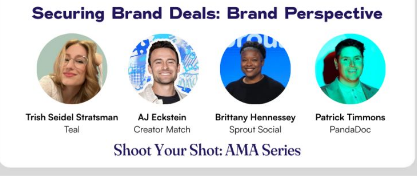
Day 3: What do brands actually look for?
Brands pick creators who already show they can hit relevant goals. They want proof more than big, vague follower numbers.
What makes brands reach out to creators?
Brands go for creators who already make content that matches their ideal customer. Tagging brands, creating organic posts about their tools, and showing performance examples will get you noticed, alternatively you can cold dm or email post results showing you resonate with their ICP then request for a collab.
What kills deals before they start?
Relying on vanity metrics (pure follower counts) and failing to show how your work drives real outcomes. Brands want creators who show and measure impact, not just popularity.
How do you define empathy marketing?
It’s knowing your audience’s feelings and needs, then creating messages and experiences that actually respond to that. Brands value creators who can connect emotionally and practically.
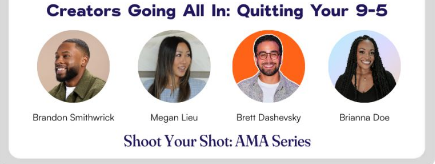
Day 4: The big question: “Should I quit my day job?”
Tara’s short answer: not without a plan. Test, save, and build reliable income streams first.
How much money should I save before quitting?
Build a runway that covers your living costs and gives you space to grow income. The exact number depends on your needs, but test the waters first.
How do you build a consistent income before leaving a job?
Create repeatable offers, find at least one steady client or product, and diversify small income streams so you’re not dependent on one source.
What should I tell my family?
Be honest and practical. Share the plan and timeline. Help them see the steps you’re taking to reduce risk rather than just the dream.
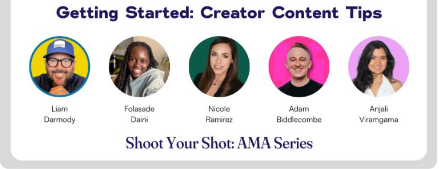
Day 5: Getting started and creating content you won’t hide from
Find your voice and keep it simple. Solve small problems for people and post regularly rather than chasing perfect content.
How should I write cold email subject lines and openings?
Start with a clear pain point and keep it short. Use social proof and test several versions. Make sure the subject and preheader work together to increase opens.
How do you keep content ideas organized?
Use a tool that fits you, such as Notion, Google Sheets, or notes. Tag and move ideas through stages; the tool matters less than the habit of organizing and reviewing ideas.
Wrapping Up
When it comes to brand partnerships, consistent action matters more than waiting for the perfect deal. Make your value obvious to brands by showing who you reach, the results you deliver, and why your content fits their goals.
Start small to build case studies and focus on long-term relationships, especially in B2B. And if you’re considering going full-time, don’t quit your job without a plan; test offers, save a runway, and build a steady income before you leap.
Want to keep learning? Join our Monetize Your Talent WhatsApp group to stay updated on the next live Q&A. Or subscribe to our YouTube channel for tutorials on freelancing, career growth, and monetizing your skills.
