


Dreaming of working from Lisbon or Bali? Are you wondering how to avoid LinkedIn account restrictions or how to manage multiple remote jobs at once without burnout? This post is for you.
In Week 3 of our Monetize Your Talent community Q&A Session, we focused on practical answers members needed on Digital nomad visas and LinkedIn restrictions, to juggling multiple freelance clients.
Below, we break down what works, what doesn’t, and simple systems you can plug into immediately, based on answers from the top questions tackled in the live session.
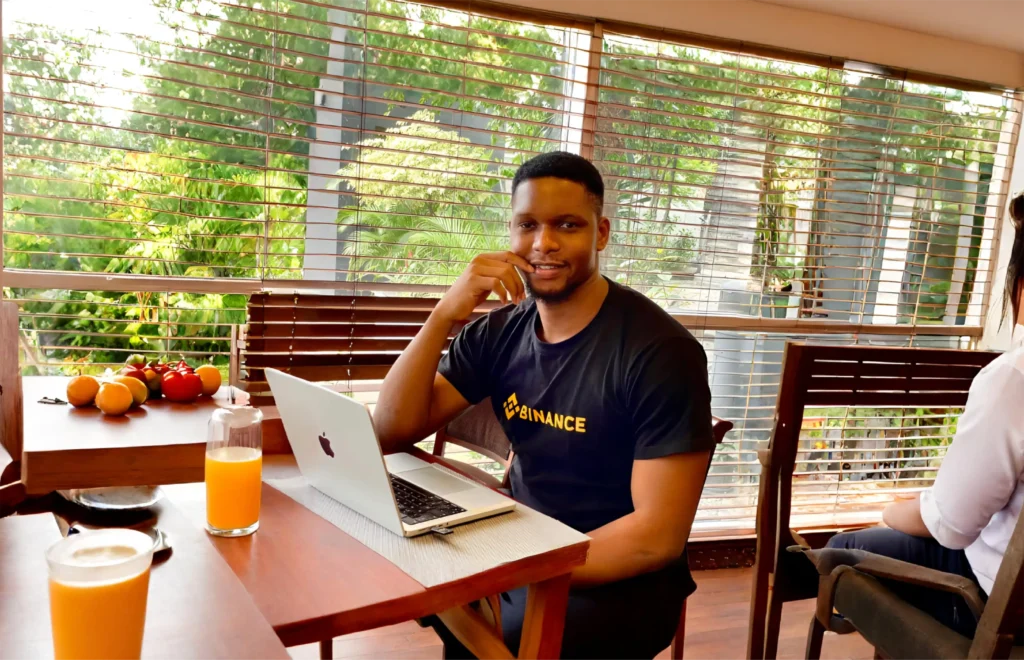
1) Digital nomad visas: what they are and how to approach them
Think of a digital nomad visa as a short-to-medium term residency permit that lets you live in another country while legally working remotely for a foreign employer or clients.
Countries continue to introduce these programs to attract remote talent, and the rules (including income thresholds, length of stay, and proof of work) vary significantly by country.
Practical steps to move forward:
- Decide your priorities. Is it tax-friendliness, low cost of living, fast internet, or lifestyle (beach vs city)? Different countries win on various measures.
- Get your documents in order. Common asks include a valid passport, proof of steady income, and sometimes a letter from an employer or evidence of freelance contracts. If you work for an international or multinational company, having a corporate email/domain and some verifiable work history makes the application smoother.
- Talk to a specialist. Visa rules change; a travel/immigration consultant or agency will prevent wasted applications and help with country-specific quirks.
- Plan money & taxes. A nomad visa doesn’t automatically solve your tax residency. Check local tax rules before you move.

2) Why LinkedIn accounts get restricted and how to avoid it
LinkedIn takes authenticity seriously. Profiles that look inauthentic (fake job entries, inconsistent identity signals) or behaviors that resemble spam (mass connection requests, repeated official-policy violations) can trigger restrictions.
There have also been cases where even verified or high-profile accounts were flagged due to technical glitches or mistaken reports, which is a reminder that prevention is better than cure.
Easy, proactive rules to follow:
- Be truthful on your profile. Don’t list jobs or companies you never worked for; false entries are a common trigger.
- Verify where you can. A company’s work email or other verifiable identity signals reduce risk. If you have access to an employer email, add it to your account or verify using an International Passport with an NFC-enabled phone to scan.
- Keep login behavior consistent. Frequent logins from widely different countries (especially via VPNs) can look suspicious try to minimize random region-hopping.
- Use LinkedIn as a human, not a bot. Personalized connection notes, meaningful comments, and reasonable outreach patterns are safer than spray-and-pray tactics.
If your account is restricted, you’ll usually have to work with LinkedIn Support. Be persistent, provide verification documents, and keep copies of your appeals, but also mentally prepare that recovery can be slow or, in rare cases, unsuccessful.
3) Remote freelancing systems that actually let you scale without burning out
Freelancing freedom becomes chaos without systems. The single best move? Design your workflow before you take on more clients.
A few practical systems that freelancers swear by:
- Time-block your day by client or task. Reserve firm blocks for focused work, one client at 9–11, another at 2–4, and protect those times. This small structure prevents context-switching drain.
- Batch similar tasks. Group meetings, admin, content creation, and deep-focus work into separate days or blocks.
- Document repeatable processes. When you standardize onboarding, deliverable formats, and feedback rounds, you stop reinventing the wheel for every new client.
- Delegate & hire a VA when necessary. If something eats time but doesn’t require your expertise (scheduling, admin, simple research), hire an assistant or intern. The return on investment is always positive in most cases.
- Use tools that enforce boundaries. Calendly for bookings, Toggl/Harvest for time tracking, and clear contracts for scope and revisions reduce confusion.
On the job-search side (if you’re applying for remote roles), the market favors quality over quantity: tailor your application to the role, optimize keywords for ATS screening, and reach out to recruiters or people inside the company for referrals.
Using tools that compare your resume to a job description can help you find the right keywords to highlight.

4) If your LinkedIn is restricted for weeks, a quick recovery playbook
People get into this situation all the time: an account freezes, email appeals return “under review,” and panic sets in. Here’s a practical, step-by-step playbook that gives you the best chance:
- Collect your proof. Screenshot the restriction message, gather ID (passport preferred over local ID in many cross-border cases), and compile employment verification (company email, payslip, official letter).
- Use LinkedIn’s official channels. Submit the forms LinkedIn provides and attach the documents. Provide clear, concise explanations; long essays rarely help.
- Follow up, but don’t spam. Send polite follow-ups via support and any official appeal links. Keep each message short and reference your previous ticket number.
- Prepare a contingency. While you wait, rebuild network access elsewhere: export your contacts (if you can), update other profiles (personal website, Twitter, or an email newsletter), and notify close contacts so they know how to reach you.
- If you’re stuck, consider public pressure cautiously. In some high-profile cases, public visibility on other platforms pushed platforms to act, but this is a last resort and carries its own risks.
Again, the best defense is prevention: verify your account early, avoid risky profile claims, and use consistent login behavior.
Final thought
The world of modern work rewards people who prepare more than those who panic. Whether you’re chasing a nomad visa, protecting your LinkedIn presence, or building a freelance business, small systems and honest, verifiable profiles go a very long way.
Want to dive deeper? Join our Monetize Your Talent WhatsApp community, where we run weekly Q&A sessions to help professionals like you grow careers, monetize skills, and create impact.
Also, subscribe to our YouTube channel, where we publish practical videos on self-improvement, career transition, career growth, and monetizing your skills.
