


Every week in the Monetize Your Talent community, we host a live Q&A session where members bring real career and freelancing challenges. Week 3 was one of the most practical yet. The questions came from people who were tired of theory and wanted answers they could act on immediately.
One of the questions that stood out came from an entry-level data analyst. He said, “I keep sending applications, but I never hear back. How do I break through?” That question unlocked a cascade of insights. Others wanted to know how to pitch companies that were not hiring, how to negotiate pay for remote jobs, and how to choose which skill to monetize first.
In this article, I’ll share the same answers we gave in that session. No fluff, only tested strategies that have helped professionals land roles, grow their freelance careers, and earn more.

How can you pitch your service to companies even if they are not hiring?
The mistake most job seekers and freelancers make is waiting for a vacancy to appear before they act; by then, the competition is overwhelming. The truth is that companies rarely hire because of open roles. They hire because they want results.
Your task is to identify those results and position yourself as the person who can deliver them. That begins with research. Study the company’s website, its marketing channels, its product, and even its competitors.
Somewhere in that landscape is a gap they are either overlooking or struggling with. Perhaps their website copy is weak, their customer onboarding is poor, or their social presence lacks consistency.
Once you have found that gap, link it to proof of your ability to close it. If you already have experience, show the measurable outcome you delivered elsewhere. If not, run a small project within your network, measure the results, and use that as evidence, then approach the decision-maker directly. Skip generic CVs or emails that sound like everyone else.
Instead, write a short and specific message to the head of growth, the marketing manager, or the person who owns that function. Point out the gap you saw, explain briefly how you have solved it before, and suggest a short conversation.
Decision-makers do not receive many messages like this. They receive plenty of vague pitches and spam. Clear evidence tied to a real problem is what makes them respond.
Where do you find remote roles beyond job boards?
Remote work is growing across industries, but the mistake is to rely entirely on job boards. Job boards are crowded, and by the time a listing appears, the employer has already been flooded with applications.
The better approach is to go upstream, follow funding announcements. When a startup raises capital, it is under pressure to expand quickly. These teams often need help before they even write job descriptions or start making public hiring postings.
Reaching out at that stage puts you ahead of the curve; you can track these announcements on platforms like Producthunt, Crunchbase, or TechCrunch.
You can also pay attention to product launches. A new product often creates an immediate workload. Teams may not have the structure to handle it yet, and that is your chance to offer support.
Finally, do not limit yourself to job titles. A data analyst might fit into growth, operations, or marketing. Employers care less about labels than they do about results. Consistent outreach matters more than occasional applications. Sending ten well-crafted, personalized messages each day for a month is more effective than firing off dozens of generic applications.

How should you prepare your CV so it gets noticed?
A CV has to serve two audiences at once. First, it must get past automated tracking systems, and then it has to catch the attention of a recruiter who may only glance at it for seconds.
To do this, you need to treat each application like its own project. Read the job description carefully and pay attention to the words they use to describe skills, tools, and responsibilities. Integrate those naturally into your CV; employers and tracking systems both scan for those signals.
Shift your language from tasks to achievements. Instead of saying you “managed campaigns,” write that you “increased click-through rates by 34 percent through targeted testing.” Concrete results set you apart.
Formatting matters too. Use clean design, simple fonts, and save as PDF unless the employer requests otherwise. Avoid graphics or tables that can confuse tracking systems.
Your cover letter should not repeat the CV. It should highlight one quick win you could aim for in the first ninety days. For example, explain how you would improve a funnel, refine reporting, or streamline a process. That tells the hiring manager that you are already thinking like someone inside the role.
How do you negotiate remote job pay?
Negotiation is not about being aggressive. It is about being prepared. Too many professionals underprice themselves because they do not know what is fair, or they fear losing the opportunity.
The first step is research. Look at what similar roles pay in the markets you are targeting. Platforms like Glassdoor and Payscale can help. Once you know the range, decide on three numbers: the salary you want, the minimum you will accept, and the point where you will walk away. Going into a negotiation without those numbers leaves you exposed.
When asked about your past salary, do not get stuck on history. Shift the conversation to value. Share the results you have achieved in the past and present a ninety-day plan for how you will create impact in their business.
For example, if you can show that your work improved conversion rates or saved hours of manual work, you can justify a higher offer.
If the company cannot meet your salary target, consider negotiating for bonuses, training, or flexibility. Compensation is not only about the paycheck.
What approaches work best for Africans seeking remote roles?
Africans often face unique challenges when pursuing remote work, from time zone differences to payment barriers. Yet the opportunities are real and growing.
Job boards like Indeed or RemoteOK remain useful, but they should not be the only option. The more powerful approach is direct outreach.
Start by tracking startups that recently raised funding or launched products. These companies often need help quickly and are open to global talent. Congratulate the founder, introduce yourself, and suggest one way you can help them grow.
LinkedIn is another overlooked tool. Treat it as a relationship builder, not just a platform for sending applications. Identify a handful of decision-makers in your space, engage with their posts, and then reach out.
Many African freelancers and professionals have landed their first remote contracts through this consistent, relationship-driven method rather than through cold applications.
How do you get traction on Upwork and connect with mentors?
The hardest part of freelance platforms is the beginning. Without reviews, you look like an untested option. The key is to create momentum early.
Your first goal should be to land three small projects. Even if they come from your personal network, they will allow you to collect reviews. Those first reviews become your currency on the platform.
Once you have them, focus on overdelivering. Impressing your first few clients is more valuable than landing big projects at the start. Their testimonials can be used not just on your profile but also on LinkedIn to strengthen your credibility.
Mentorship follows a similar principle. Do not approach mentors with vague requests like “Can you guide me?” Instead, show progress you have made, ask for feedback on a specific challenge, and come prepared to act on the advice. Mentors invest their time in people who take action.
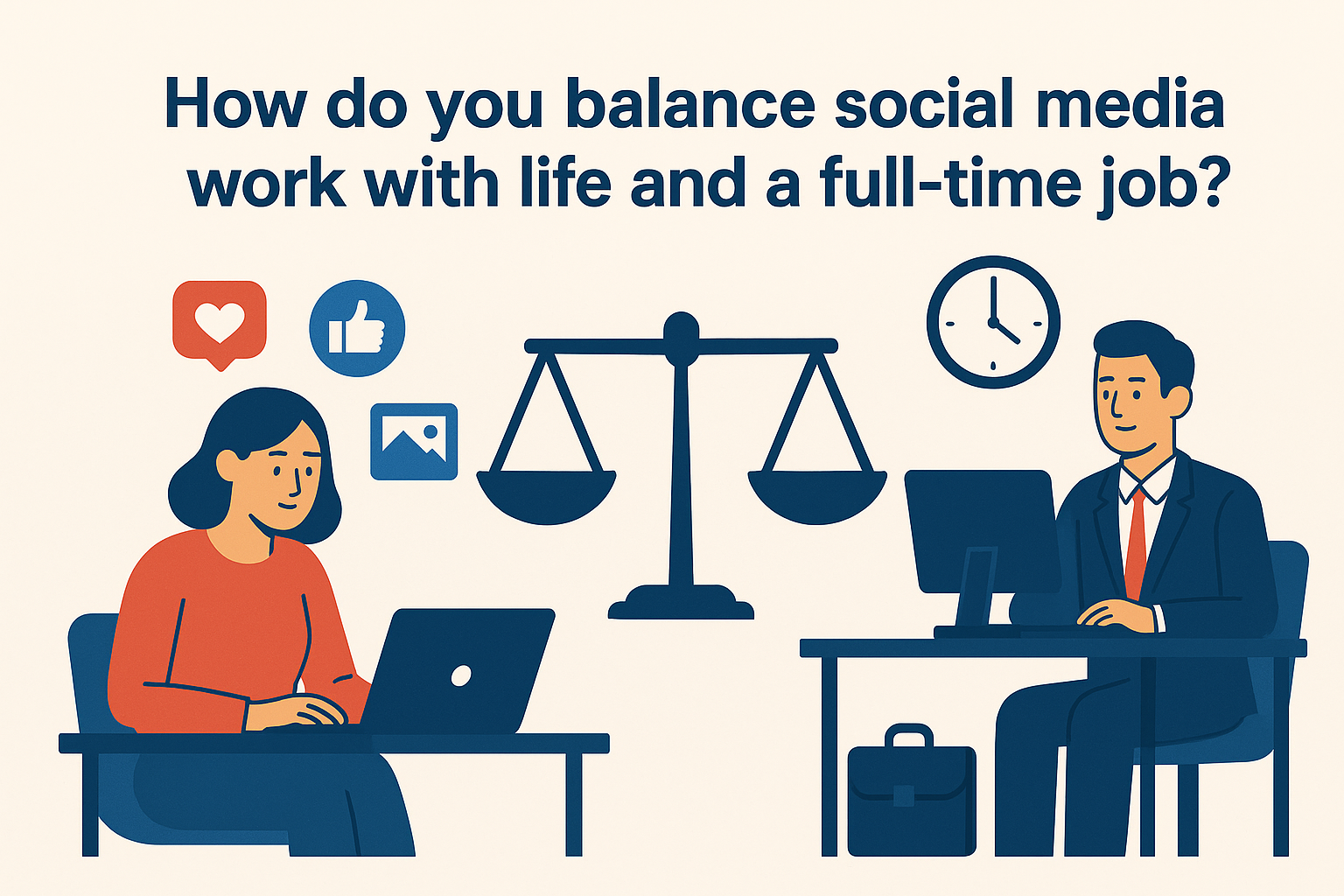
How do you balance social media work with life and a full-time job?
Managing a personal brand while working full-time can feel overwhelming. The key is to accept that you cannot do everything at once.
Focus on one or two platforms where your target audience already spends time. Create content in batches and then repurpose it across formats. A long LinkedIn post can become a short video script or a Twitter thread.
As you grow, delegate tasks. A virtual assistant can schedule posts, a designer can create visuals, and an editor can refine drafts. This allows you to keep your focus on strategy and storytelling.
Finally, be realistic about seasons. Some weeks your job will demand more of you, and other weeks you can devote more to your personal brand. Balance is not about perfect symmetry. It is about making conscious trade-offs and protecting your energy.
Should you apply for roles you are not 100 percent qualified for?
It is natural to hesitate when you do not meet every requirement in a job description. But the truth is that very few candidates ever meet all of them.
If you match seventy to ninety percent of the requirements, apply. Emphasize your transferable skills and show how you will bridge the remaining gap. Include a short plan in your application that explains how you will quickly get up to speed.
If you are significantly underqualified, do not waste time with blind applications. Instead, invest in building proof. Run a short project, document the results, and secure a testimonial. That evidence will carry more weight than wishful thinking.
How should you use AI without losing your voice?
AI can be a powerful assistant, but it should never replace your voice. The key is to train it on your own material. Feed it your past posts, articles, or notes so it understands your tone and context.
Use AI to generate drafts, outlines, or hooks. Then inject your personal stories, experiences, and lessons. That human layer is what connects with people.
When AI is used this way, it becomes a multiplier. It makes you faster and more consistent without stripping away authenticity. When used without context, it produces generic output that anyone could write.
How do you choose which skill to monetize first?
Having multiple skills can feel like a blessing and a curse. The temptation is to sell all of them at once, but that usually dilutes your message.
The fastest way to build traction is to focus on the skill that already earns you income. Build your personal brand around it and share your wins publicly. Documenting results creates trust. Once people see you deliver in one area, they become open to hiring you for related skills.
Trying to market everything at once slows momentum. Clarity creates trust, and trust creates opportunity.
Final Note
Breakthroughs rarely come from one dramatic step. They come from consistent small actions: reaching out to founders, documenting results, tailoring CVs, and building relationships.
That was the lesson from Week 3 of our Q&A. The people who succeed are not those who wait for perfect opportunities. They are those who show impact, personalize their outreach, and treat networking as a daily habit.
Want to dive deeper? Join our Monetize Your Talent WhatsApp community, where we run weekly Q&A sessions to help professionals like you grow careers, monetize skills, and create impact.
Also, subscribe to our YouTube channel, where we publish practical videos on self-improvement, career transition, career growth, and monetizing your skills.
